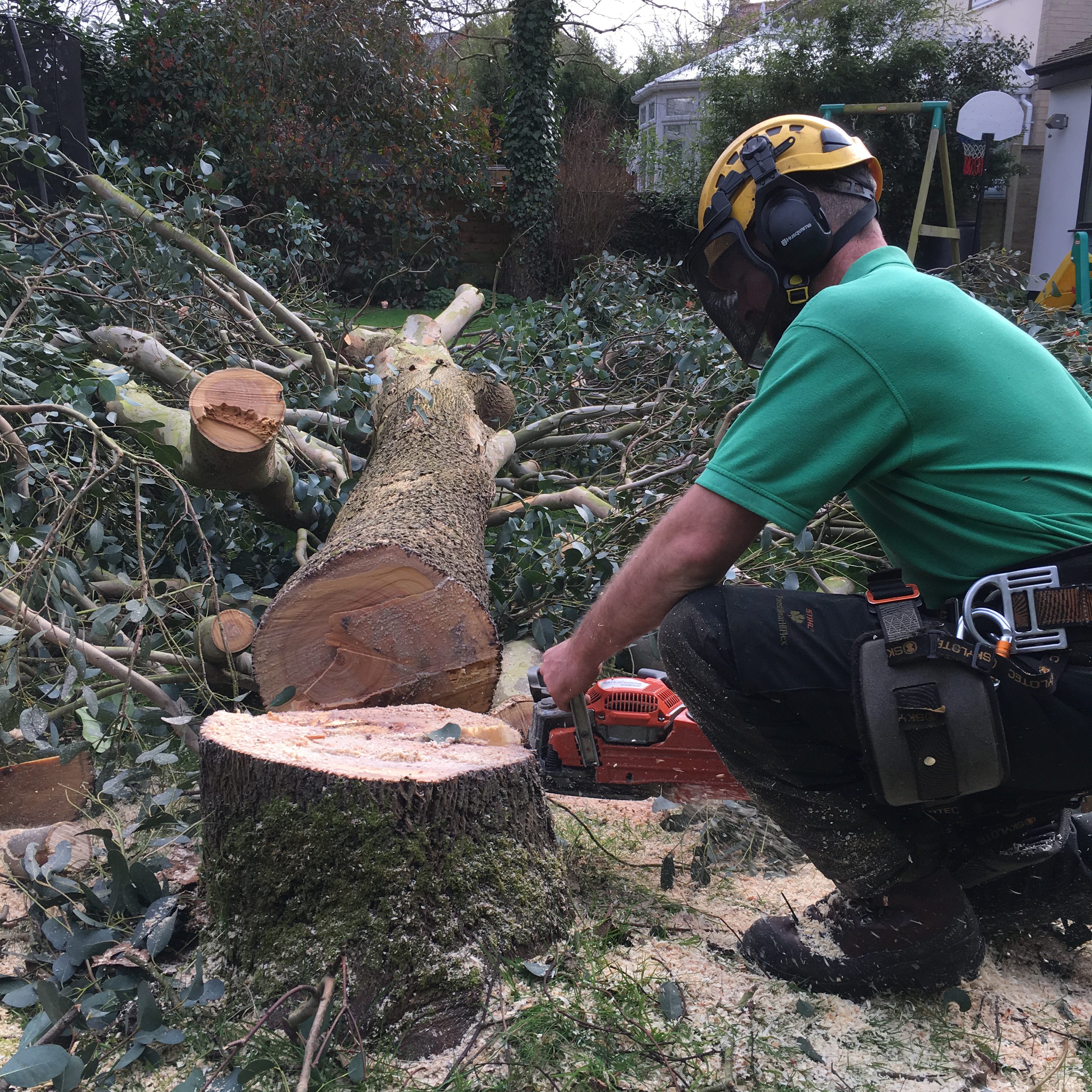
Felling
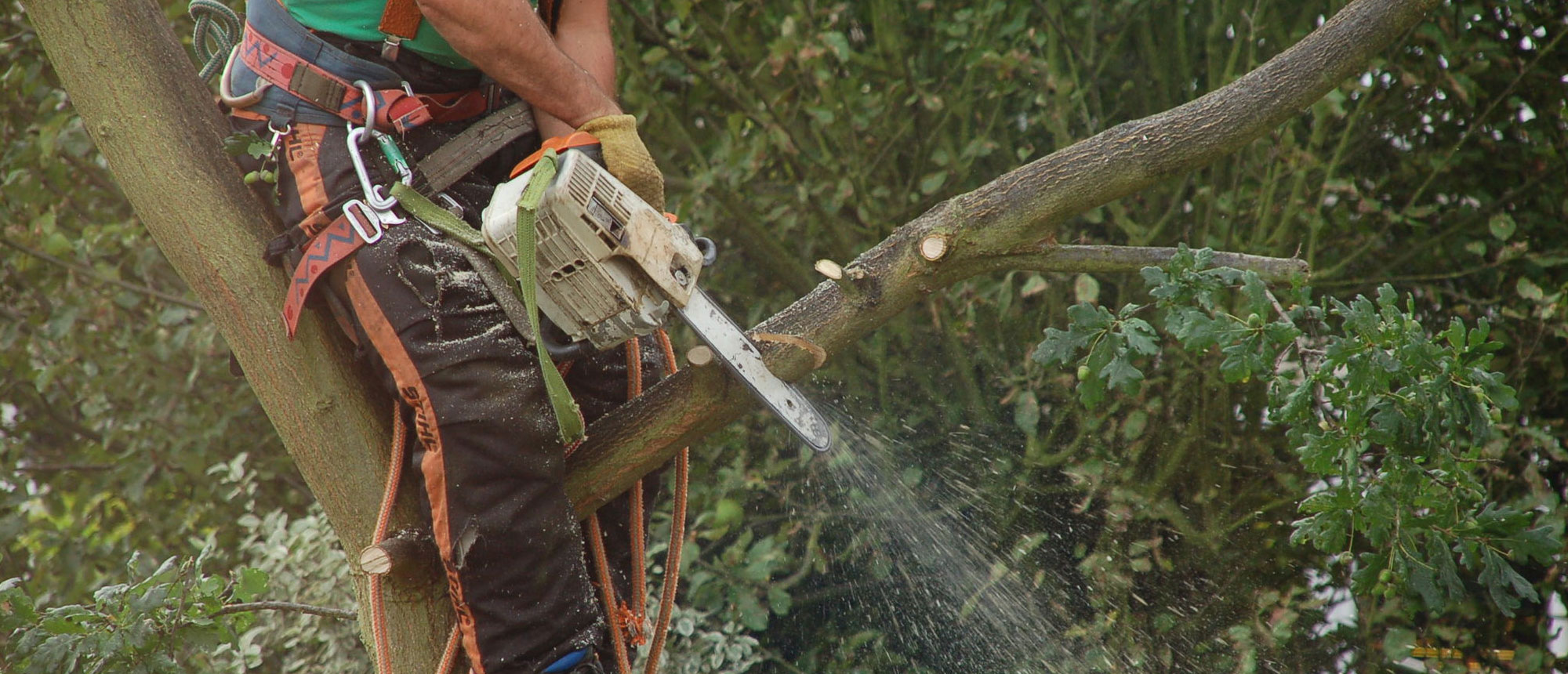
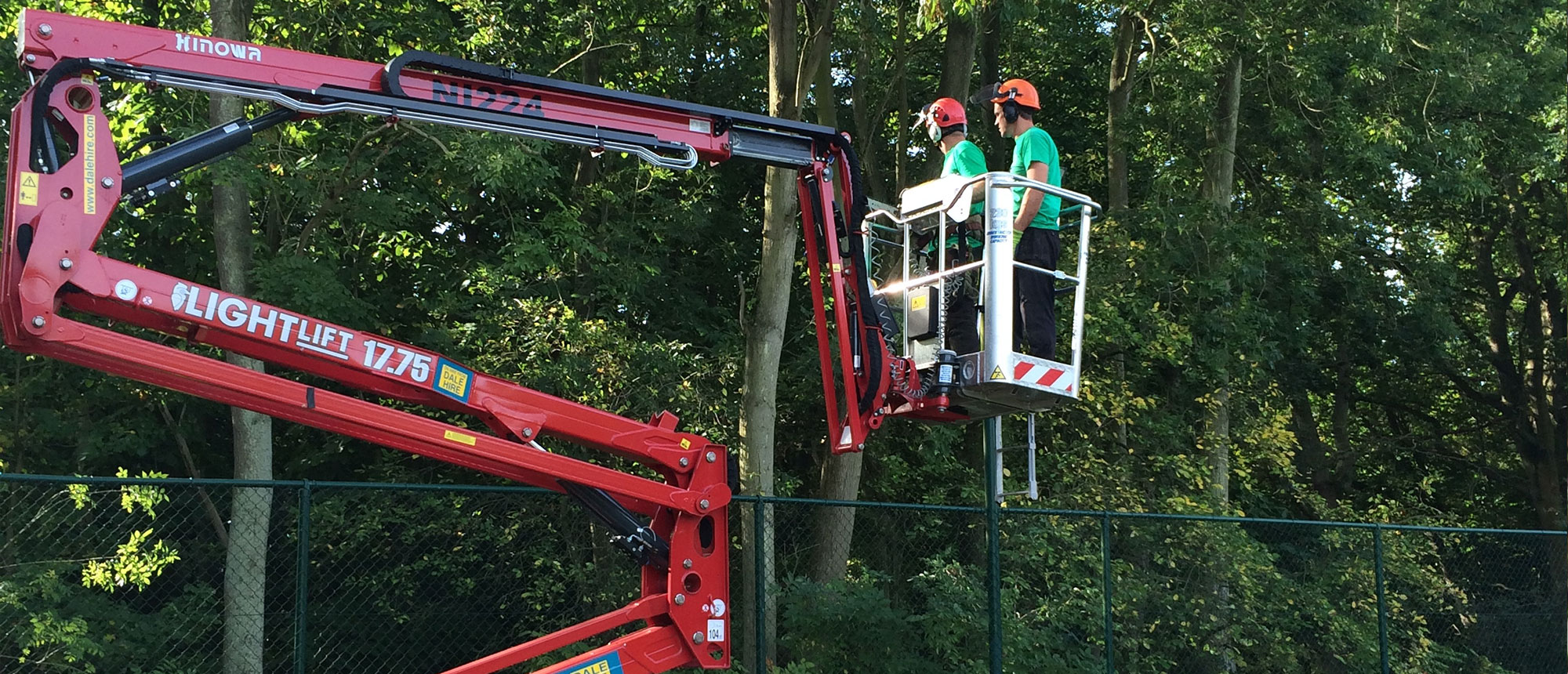
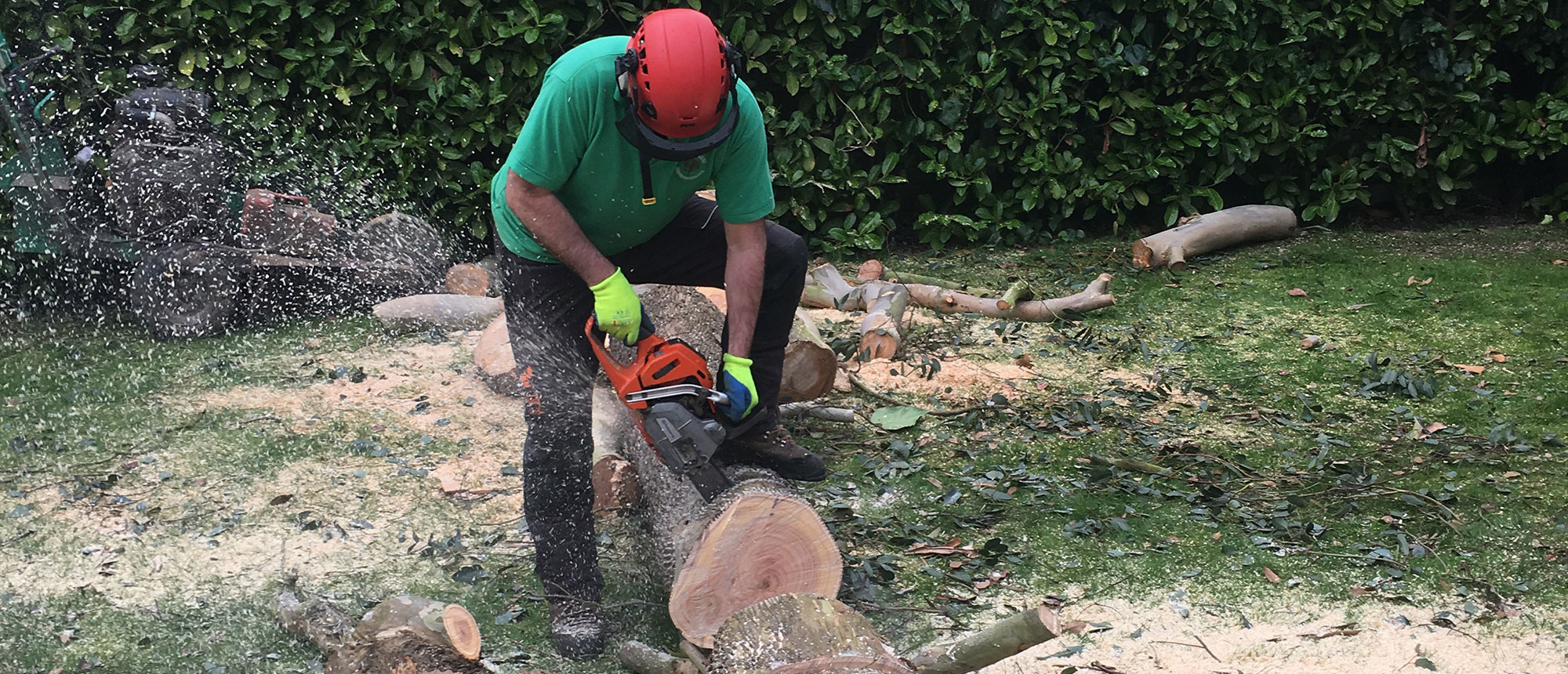
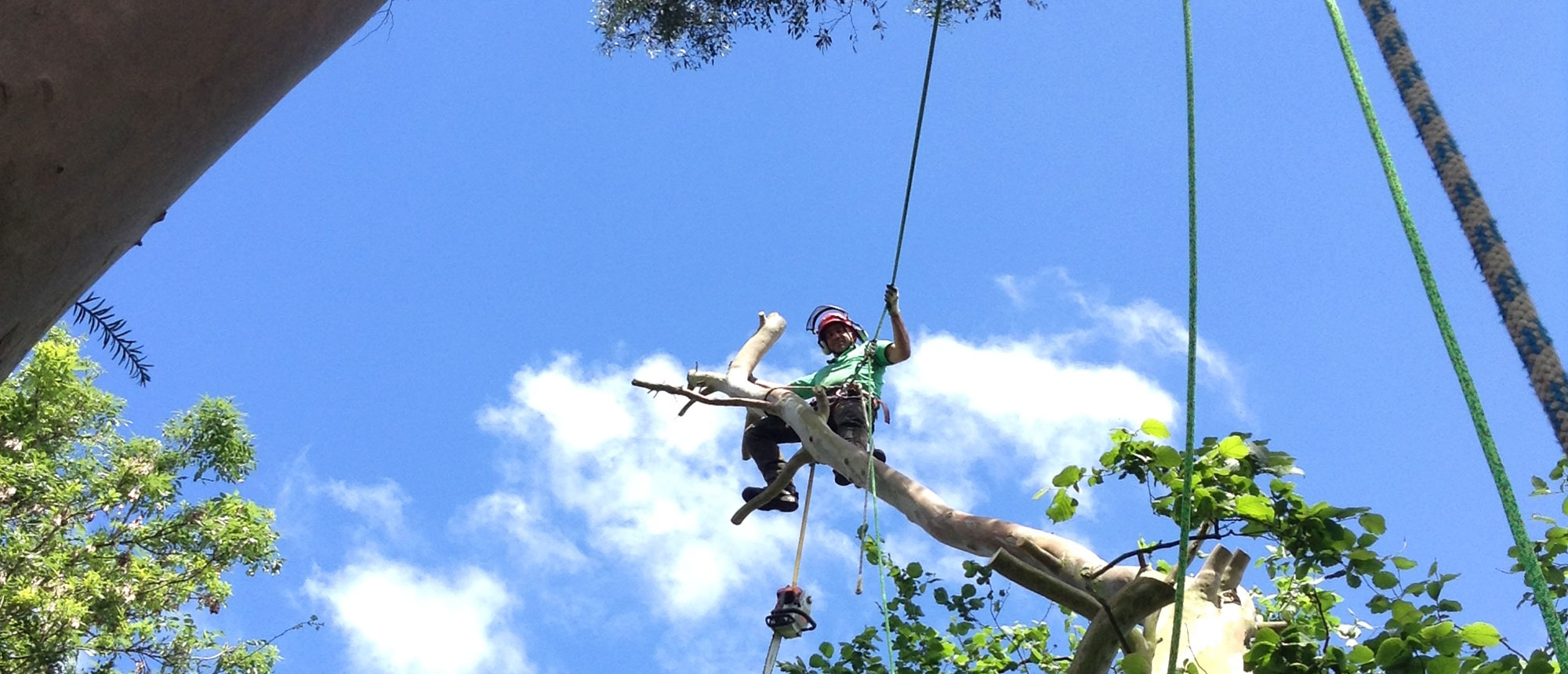
This involves the complete removal of a tree. Where trees are situated in open spaces the felling can be carried out by directional felling which can include the assistance of winching. In small confined spaces where trees may be close together or near buildings or other obstacles we would use sectional felling which involves the use of ropes and rigging equipment and in certain circumstances elevated platforms may be used.
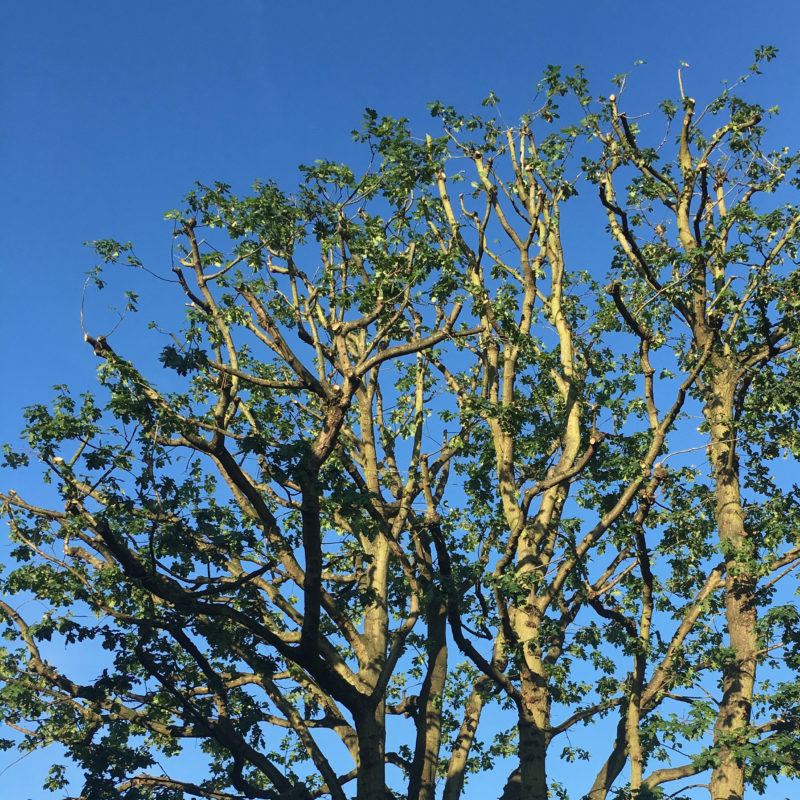
Crown Thinning
A crown thin involves the removal of crossing, rubbing and secondary branches to relieve congestion within the tree itself. It can also be used to reduce the wind resistance of the crown. This procedure can help gain light through the canopy of the tree and also reduces shade.
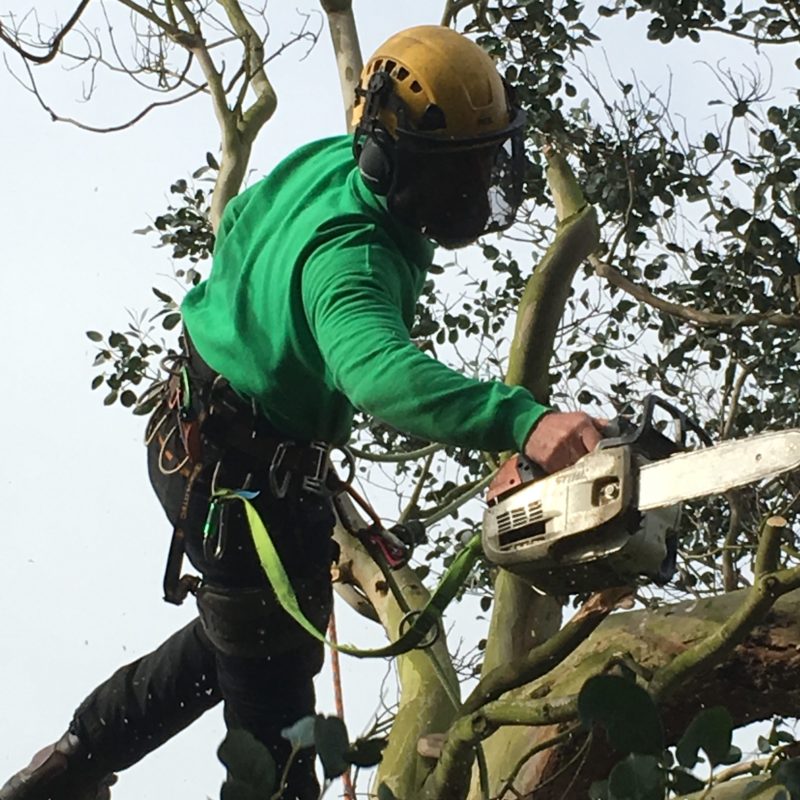
Crown Reduction
Crown reduction is used to reduce the overall height and spread of a tree canopy in order to keep a tree within a certain size whilst maintaining the natural shape.
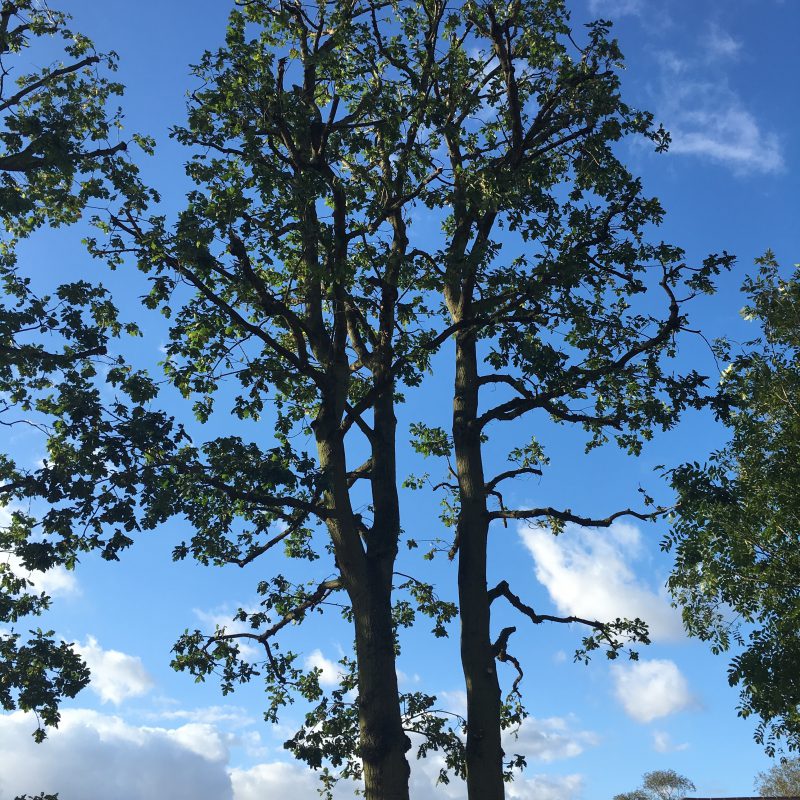
Crown Lifting
This procedure is used to remove the lower branches which can obstruct pathways or reduce visibility. By removing the lower branches you can gain more light and is also useful if you wish to plant beneath a tree.
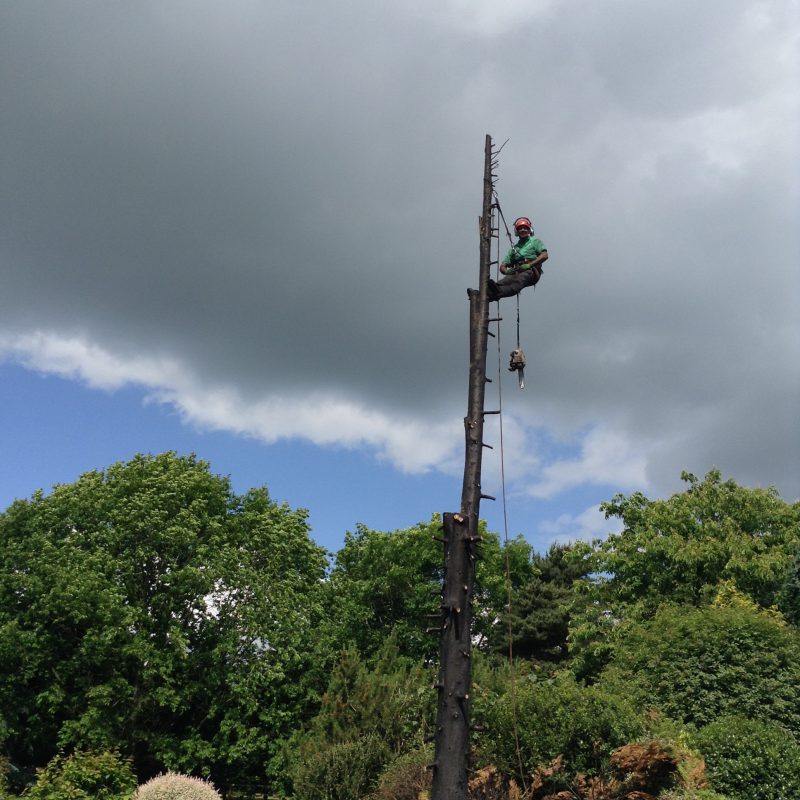
Dead Wood Pruning
Dead wooding is used to keep a tree safe and healthy and to prolong it’s life expectancy. It involves removing dead, broken, diseased and drying branches from the canopy of the tree.
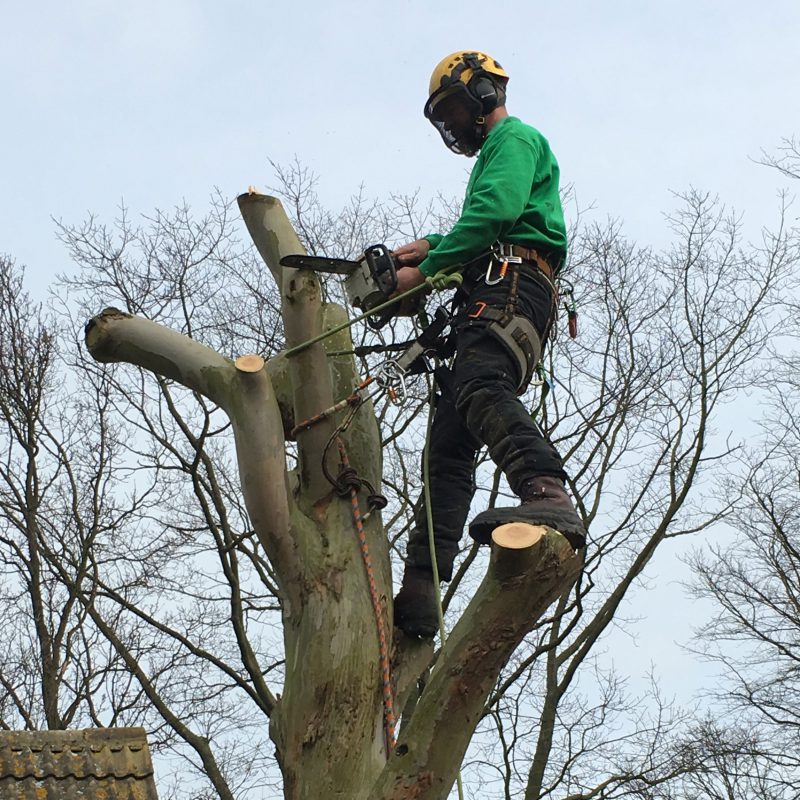
Pollarding
Pollarding is a technique used to heavy prune fast growing deciduous trees to keep to a minimum in confined spaces or road side.
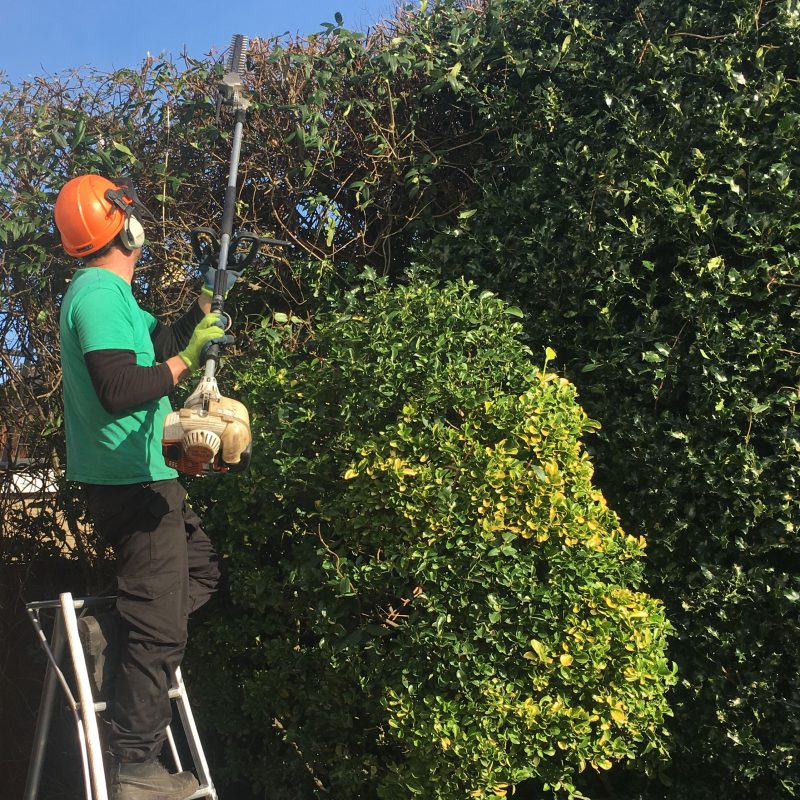
Hedges
We can prune all types of hedge from small formal hedges to large hedgerows of any species, by either reducing height and width or trimming the hedge to become uniform and neat/tidy.